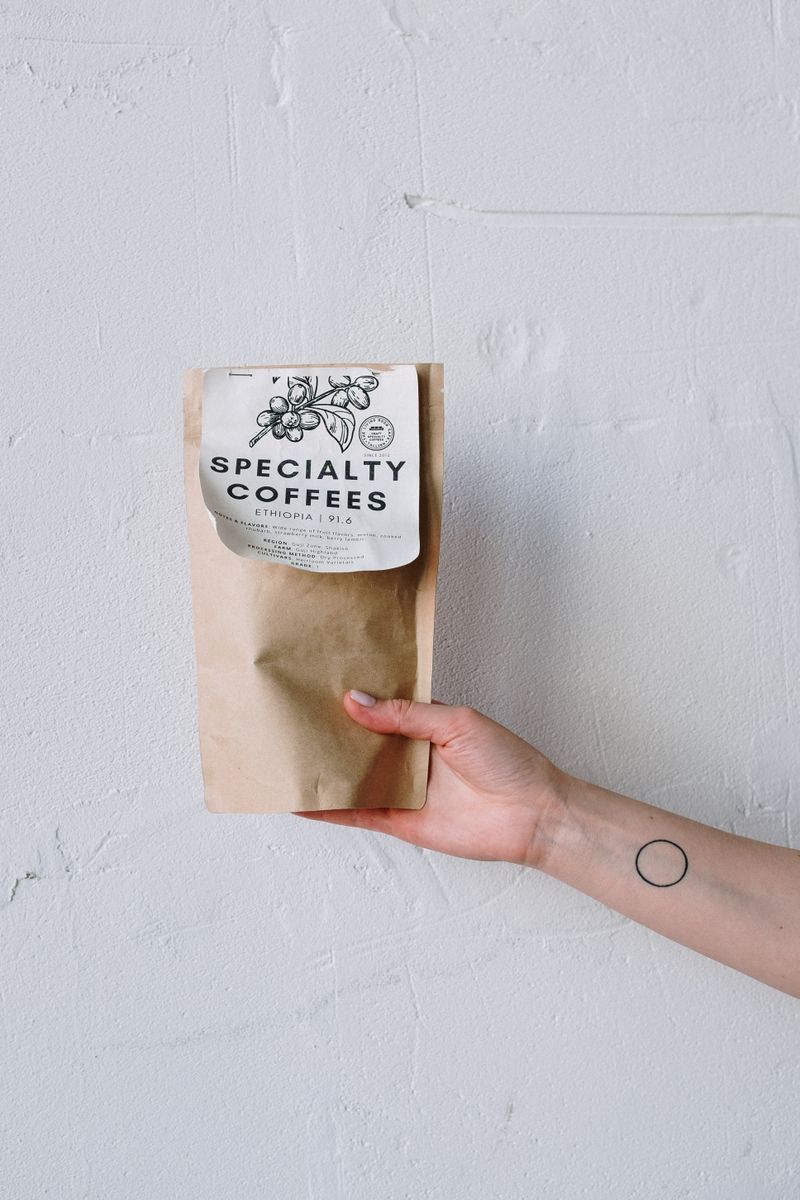
Second-skin packaging hugs the product. Whether it is a vacuum-formed tray, a tight paper wrap, or a carton sized to the millimeter, the principle is the same: no empty air, no sliding around, no damage. Here are four reasons brands are making the switch.
1. Damage rates fall off a cliff
Most transit damage is movement damage. A pack fitted to the product eliminates the rattling that cracks, bruises, and scuffs. Brands switching to fitted formats routinely cut damage claims by half or more in the first quarter.
2. You ship less air
Right-sized packs stack tighter on pallets and in delivery vans. That means fewer trucks, lower freight bills, and a smaller carbon footprint per unit — savings that compound across every reorder.
"The cheapest packaging to ship is the packaging that isn't there."
3. Shelves look sharper
A fitted pack photographs better, faces better, and feels more premium in the hand. In crowded categories, that crispness is the difference between picked up and passed over.
4. Material use drops
No void fill, no oversized boxes, no double-bagging. Second-skin formats typically use 20–30% less material than the loose pack they replace — an easy win for both budgets and sustainability reports.

Dana Whitfield
Structural designer, Crateline Packaging Co.